
The NRIN Happy Hour offers free monthly webinars on topics related to Research Integrity, Research Ethics, Open Science and Responsible Conduct in Research. The webinars aim to offer a space for the mutual exchange of learning and promote informal discussions on issues related to good scientific practices. The webinars are open to anyone interested in these topics!
The webinars are open to the Dutch and international scientific community!
The recordings are made available after each webinar.
Is there a topic you would like to hear about? Would you like to present at the NRIN Happy Hour webinars? Feel free to contact us at info@nrin.nl
Key Information
When
Second Thursday of the month, 16:00 CET/CEST (1 hour)*
*We may sometimes change the date for the webinar due to the availability of the speaker
Where
Online (Zoom).
Topics
Various on Research Integrity / Ethics, Open Science and Responsible Conduct of Research.
Lecturers
Experts in the field of good scientific practices.
Audience
Students (including bachelor and master students), early career researchers (including PhD candidates and junior researchers), senior career researchers and academics, policy makers and anyone with an interest in the topics presented. Both in the Netherlands and internationally.
Language
English.
Price
Free.
Registration
Required through Zoom. Click on the registration link to register for each webinar!
Programme
prof. dr. Annelies Moors (University of Amsterdam)
Doing Ethnography: Institutional Surveillance and the Struggle for Epistemic Diversity
2nd April 2026, 16:00-17:00 CET
Marián Crespo López (VU Amsterdam & Amsterdam UMC)
Integrating Diversity into Researcher Evaluation: Results from the IDEA Project
28th May 2026, 16:00-17:00 CEST
Past Happy Hours
dr. Holly Hutchins (University of North Texas, USA)
Imposter Syndrome in Academia
12th February 2026, 16:00 – 17:00 CET
April 2026
Doing Ethnography: Institutional Surveillance and the Struggle for Epistemic Diversity
2nd April 2026, 16:00 CET
In recent decades, academic research has come under increasing institutional surveillance and control. Doing Ethnography traces the rise of ethical review procedures, open science mandates, and integrity protocols, examining how these developments shape ethnographic practice. It critically explores key themes such as doing no harm, informed consent, transparency, anonymity, researcher positionality, and the sharing of field notes.
The book argues that contemporary academia often enforces universal, bureaucratic forms of regulatory ethics. Rooted in quantitative and (post-)positivist paradigms, these frameworks frequently clash with ethnography’s interpretive, intersubjective, and immersive fieldwork approach. In response, it calls for a situated, context-sensitive ethics of care attuned to the specificities of ethnographic engagement. Ultimately, Doing Ethnography offers both a critical reflection on institutional power and a plea to recognise and sustain the epistemic diversity on which academic freedom depends.
About the Speaker
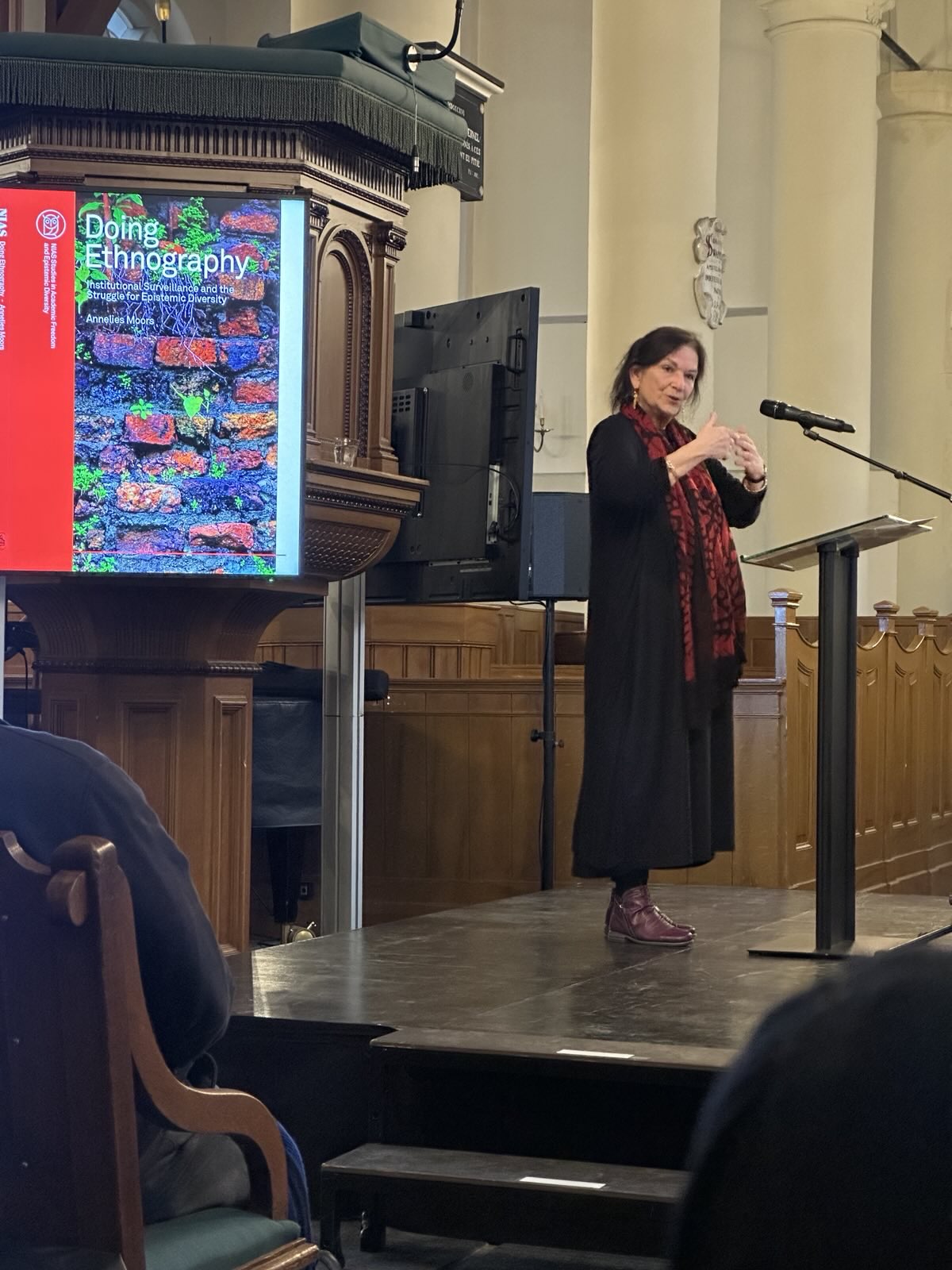
prof. dr. Annelies Moors
Annelies Moors is an anthropologist and professor emerita at the University of Amsterdam. She studied Arabic in Syria, and has conducted extensive fieldwork in Palestine and the Netherlands. Her main focus has been on the entanglements of nation, class, gender and religion, marriage and reproduction, materiality and affect, and visuality and embodiment.
Most recently, she held an ERC advanced grant on Problematising Muslim marriages and was a fellow at NIAS (Netherlands Institute for Advanced Studies). Her last edited book is Muslim marriage and non-marriage: where religion and politics meet intimate life (co-edited with Julie McBrien, Leuven University Press, 2023). Her book Doing ethnography: from research oversight to epistemic pluralism was published in February 2026. For publications, see https://sites.google.com/site/anneliesmoors/
Chair
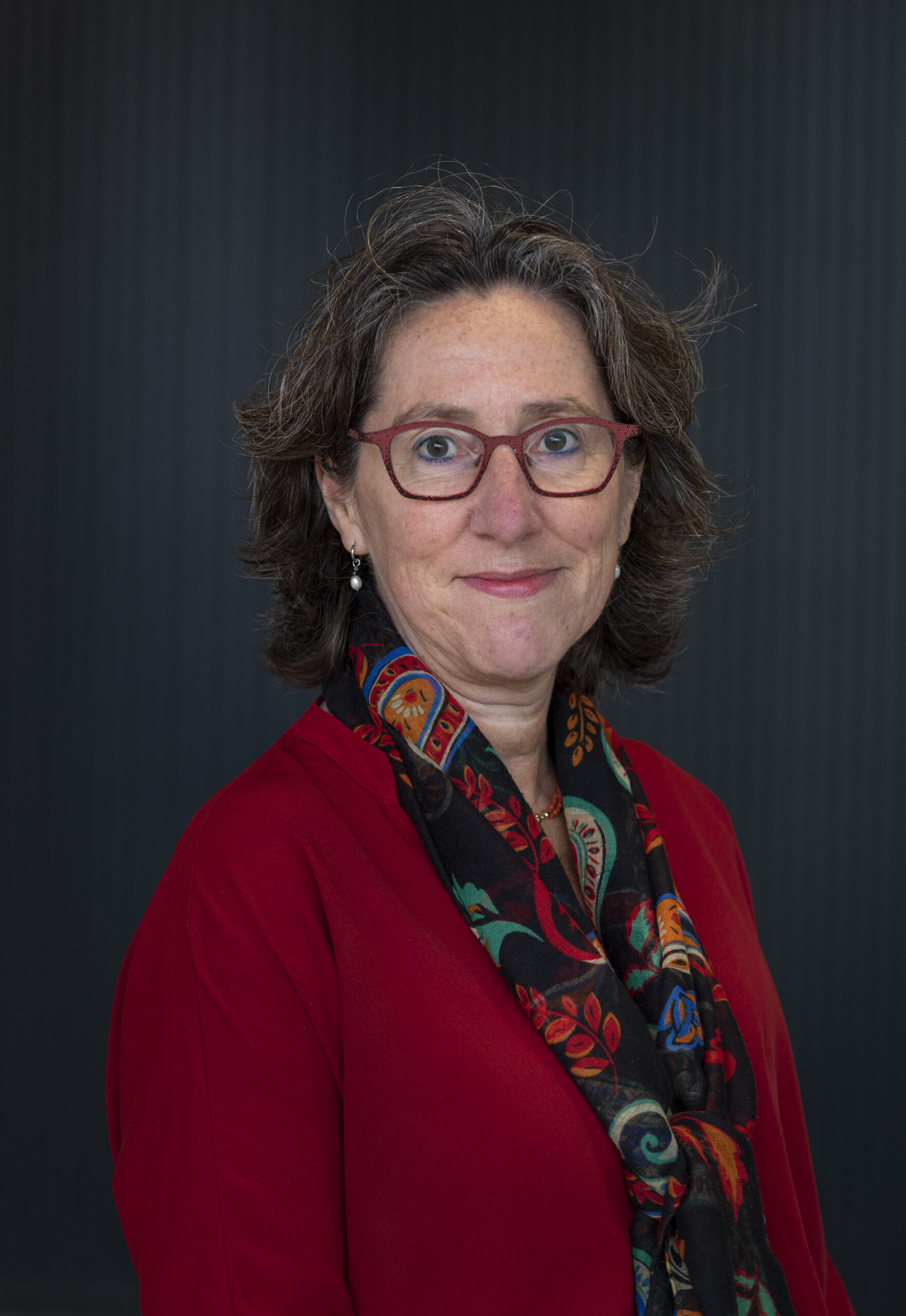
prof. dr. Mariëtte van den Hoven
Mariëtte van den Hoven is a full professor of medical philosophy and medical ethics and head of the Ethics, Law, and Humanities department at Amsterdam UMC. Her research focuses on professional ethics, responsible conduct of research and public health ethics. Mariëtte’s current work, supported by grants from ZonMw, Horizon 2020 and Horizon Europe, focuses on evaluating and implementing training in the fields of responsible conduct of research and research ethics. Combined with chairing the Netherlands Research Integrity Network (NRIN) and co-chairing the NERQ network on educational quality, she is well-embedded in the field to support colleagues nationally and internationally on these topics.
Mariëtte is also the co-chair of the Center for Research Integrity and Open Science (RIOS). She aims to build RIOS as the central community hub in Amsterdam for everyone who does research on or teaches research integrity and open science.
May 2026
Integrating Diversity into Researcher Evaluation: Results from the IDEA project
28th May 2026, 16:00 CEST
Overview
About the Speaker
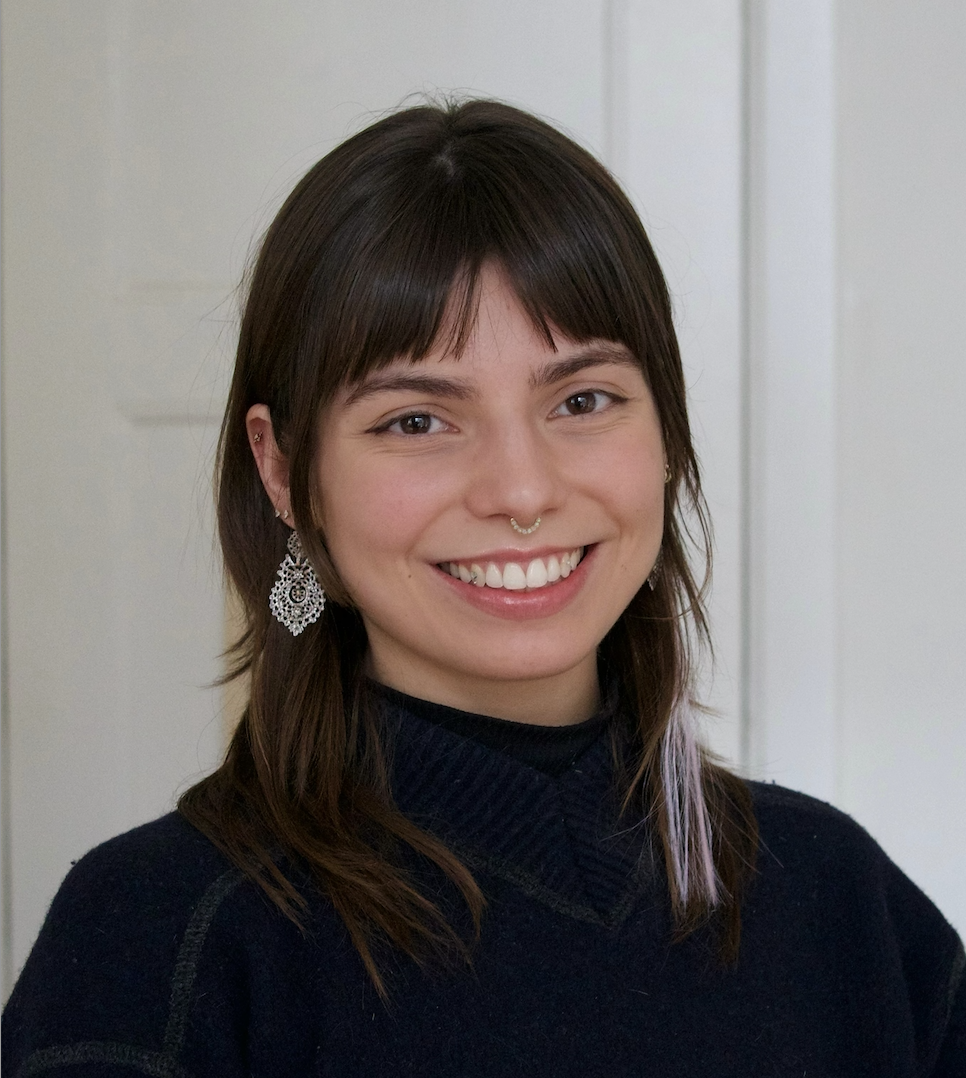
Marián Crespo López
Marián Crespo López is a Junior Researcher at the Center for Research Integrity and Open Science (RIOS), part of the Department of Philosophy of the Vrije Universiteit Amsterdam. Her research focuses on equity, diversity and inclusion in open science, research integrity, and recognition and rewards. She also works as a Publication Steward at Amsterdam UMC, where she supports researchers in making their work more open and develops guidelines for integrating open science into recognition and rewards. Beyond academia, she is part of ISSUE: An Archive of Collective Struggle, a grassroots collective and independent magazine.
Chair
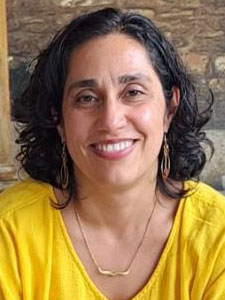
Andrea Reyes Elizondo
Andrea Reyes Elizondo is a researcher at the Centre for Science and Technology Studies (CWTS) at Leiden University, and a coordinator of the Evaluation & Culture focal area at the same institute. At CWTS, her work has focused on research integrity, citizen science, and open science. Currently, she is working on the national coordination for Recognising and Rewarding Open Science (OpenScienceNL). She is also a self-funded PhD at the Leiden University Centre for the Arts in Society (LUCAS), working on the reconstruction of reading possibilities in eighteenth-century New Spain.
Past Meetings
February 2026
Imposter Syndrome in Academia
12th February 2026, 16:00 CET
Overview
In this session, I will provide a brief overview of current research on understanding and addressing imposter phenomenon in a work context, specifically related to academic researcher identity and workplace support.
About the Speaker
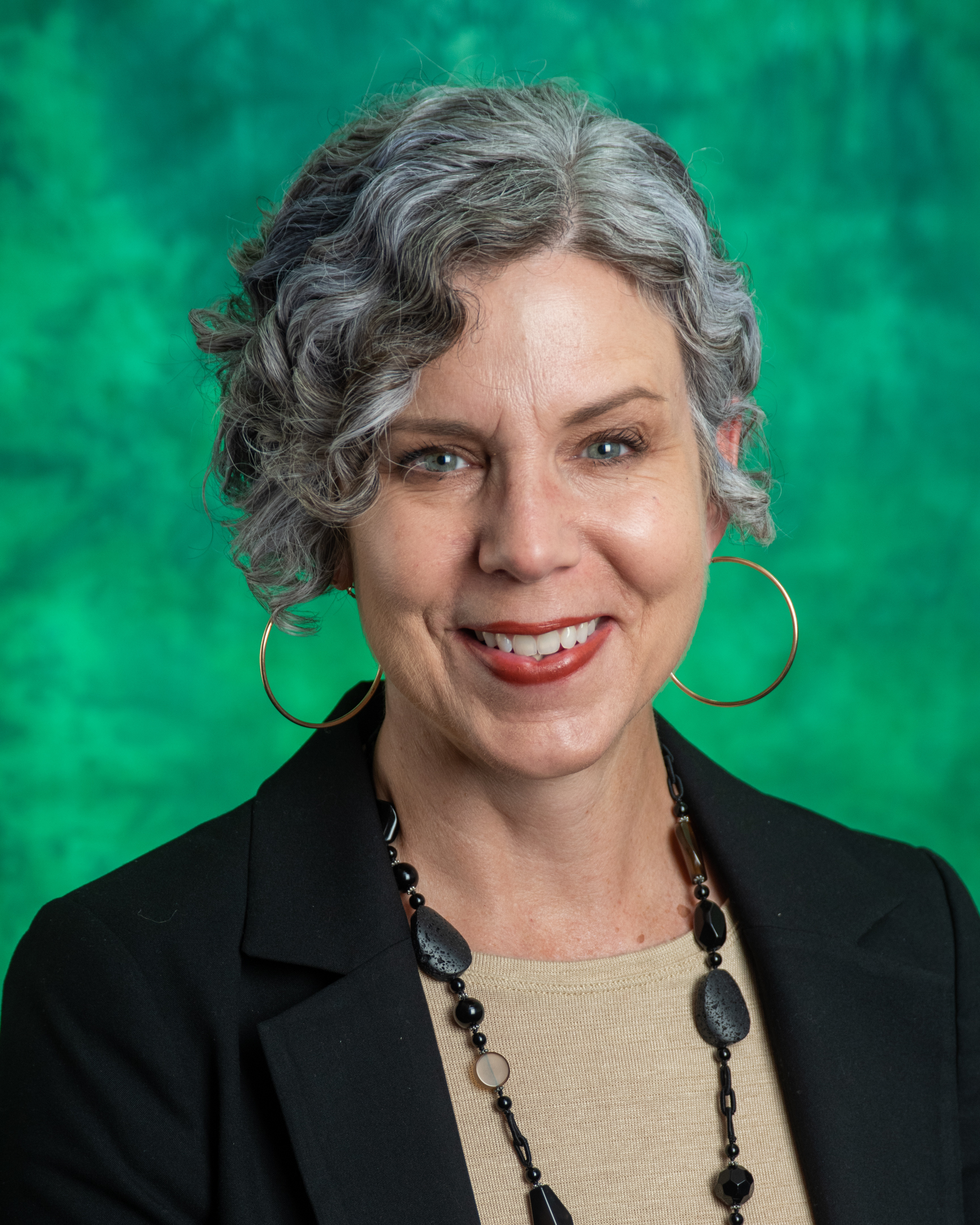
dr. Holly Hutchins
As Vice Provost of Faculty Success at the University of North Texas, Dr. Holly Hutchins is responsible for providing strategic leadership to ensure transparent and equitable faculty-related academic policies, effective communication processes, diverse and inclusive learning opportunities, and prestigious faculty awards and recognition processes and events. Dr. Hutchins supports UNT’s diverse faculty resource groups, oversees faculty mentoring and developmental grants and initiatives, and leads the leadership fellow programs within the Office of Academic Affairs. She coordinates with other academic affairs units to address faculty human resource issues and provides counsel on developing healthy, just, and sustainable workplace climates. Since joining UNT in 2021, Dr. Hutchins has expanded resources for tenure-system and professional track faculty, implementing policy and structural changes to ensure equity in faculty workload assignments, increasing faculty grant funding, and enhancing award and grant submission processes.
In her faculty career, Dr. Hutchins garnered $4 million in funded grants, published over 40 peer-reviewed articles in national and international journals, and was featured in global media outlets such as NPR, the BBC, Psychology Today, and The Guardian for her work on the imposter phenomenon among higher education faculty. She was one of the first researchers to link imposter phenomenon to work outcomes, specifically among academic and medical faculty. Her background in human resource development underscores her commitment and leadership to faculty career success.
Chair
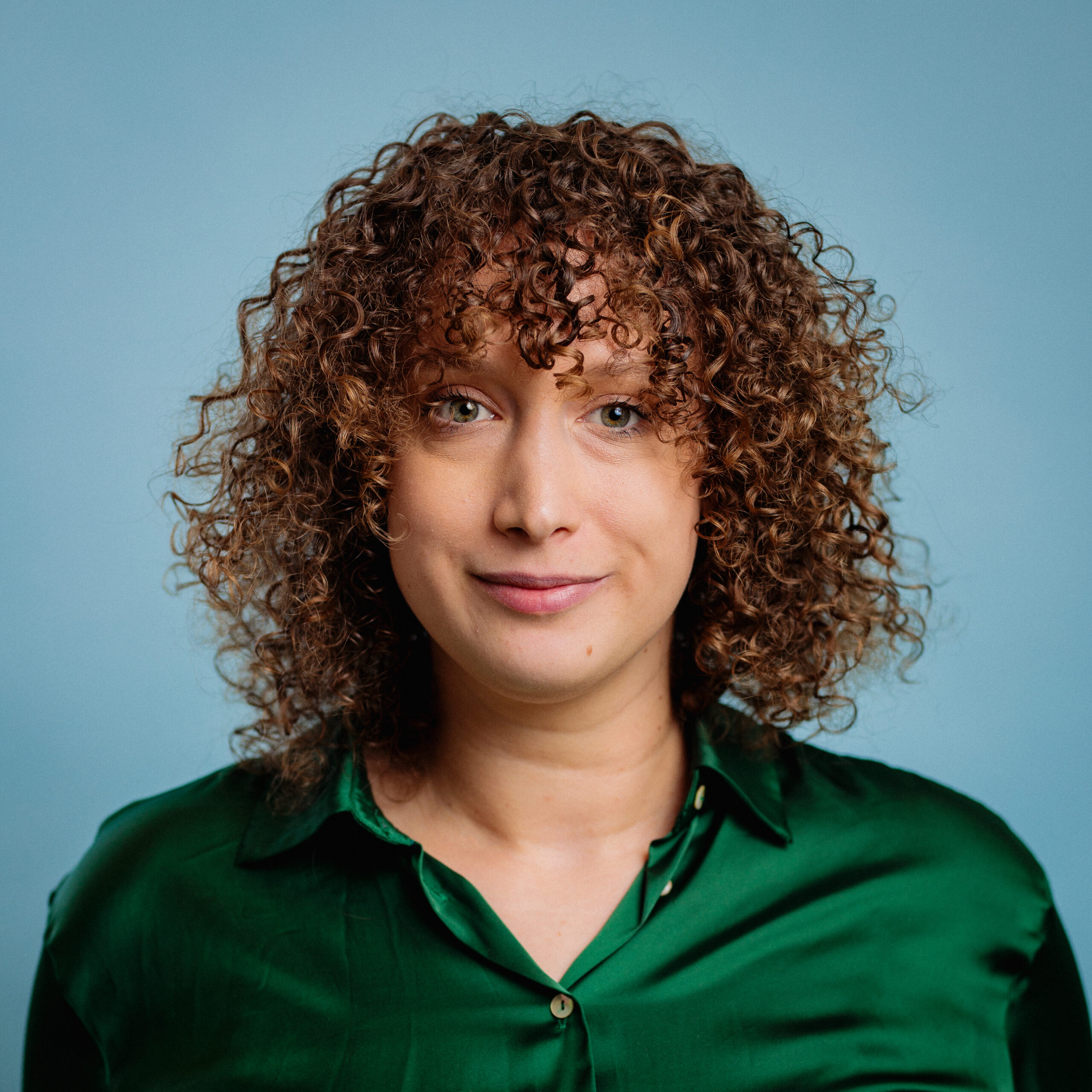
Barbara Leitner
Barbara Leitner is a PhD candidate at Amsterdam UMC with a background in social psychology. Her research examines emerging barriers to research culture change, specifically focusing on their impact on the responsible conduct of research (RCR). Adopting a holistic framework, she investigates how individual, systemic, and institutional factors interact to shape academic environments. A central pillar of her work is the conceptualization of the imposter phenomenon (IP) among academics and its consequences for research integrity. Furthermore, she is developing various workshops aimed at empowering different stakeholders within academia to foster research culture change.