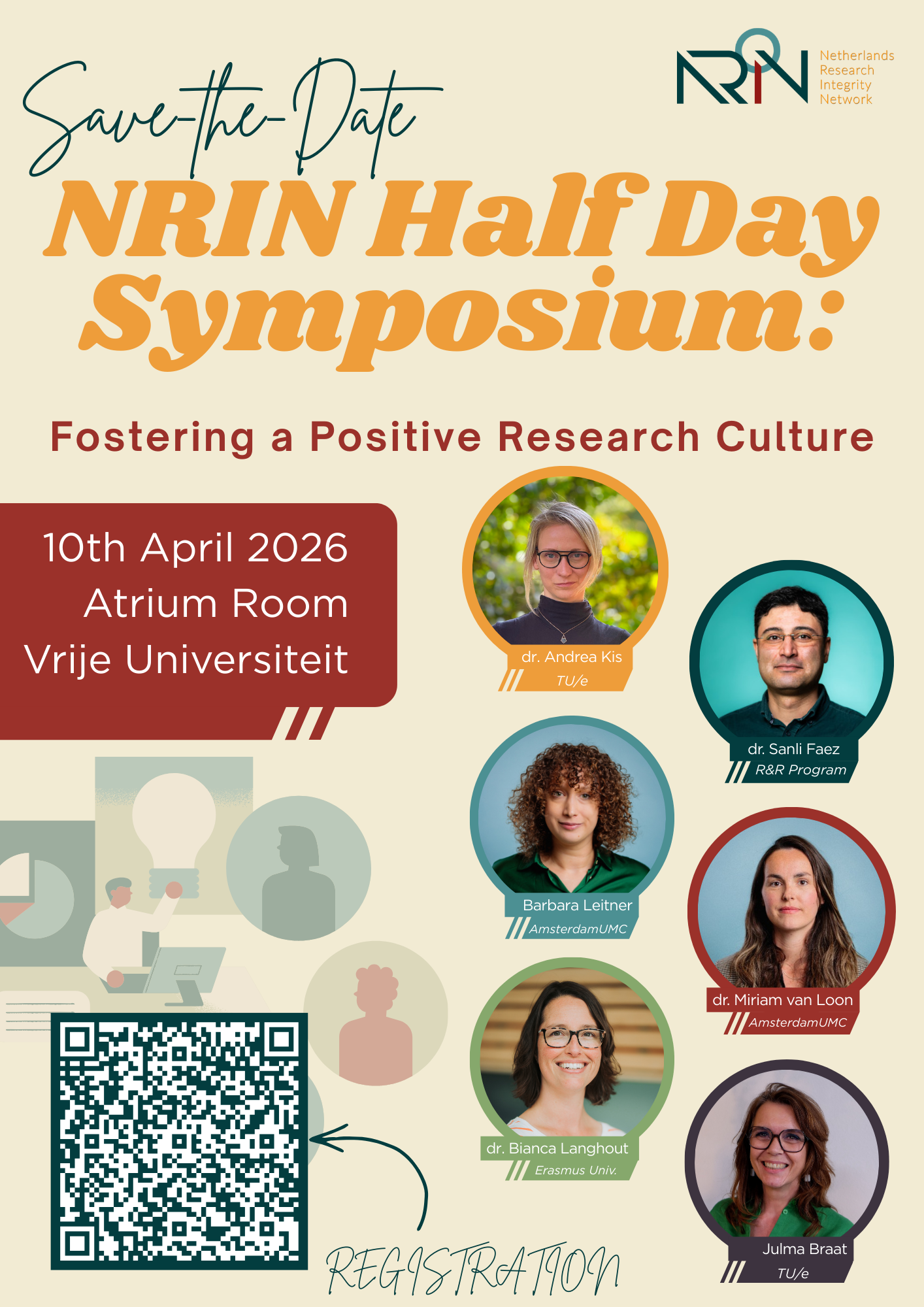
NRIN Half-day Research Symposium - Fostering a Positive Research Culture
When: 10th April 2026; 12:00 – 17:00
Where: VU Amsterdam – Atrium room
The NRIN Half-day Research Symposium on Fostering a Positive Research Culture aims to bring together researchers, policy advisors, HR, and other academic and non-academic staff to critically reflect on the opportunities, challenges, and concrete actions to foster a positive research culture within universities.
The day will include a reflection on the outcomes and steps ahead on the National Recognition & Rewards Program. We will also showcase examples of ongoing initiatives at some Dutch institutions aimed at improving the current research climate.
The day will finish with an interactive theatre play on fostering a positive research culture.
This is a free event (registration is mandatory!). Lunch will be provided!
Program:
| 12:00 – 13:00 | Welcome & Lunch
|
| 13:00 – 13:45
|
From Egocentric to Networked Academia, A Drift-X-Curve Introspection of the Netherlands Recognition and Rewards Programme
dr. Sanli Faez (Program Manager of R&R Program)
Q&A
Chair: dr. Joeri Tijdink (VU & Amsterdam UMC) |
| 13:45 – 14:45 | Institutional initiatives on fostering a positive research culture
dr. Bianca Langhout – van den Bulk (Erasmus University Rotterdam) – Fostering a positive research culture: Enabling impact & engagement at EUR
dr. Andrea Kis & Julma Braat (TU/e) – Responsible Academic Assessment: From Principles to Practice
dr. Miriam van Loon & Barbara Leitner (Amsterdam UMC) – Assessing the perceptions, experiences and needs of Amsterdam researchers for fostering a positive research culture: insights from an interview and survey study
Q&A
Chair: prof. dr. Mariëtte van den Hoven (NRIN Chair) |
| 14:45 – 15:00 | Break
|
| 15:00 – 17:00 | Science Hoops Theatre Play on Research Culture
|
From Egocentric to Networked Academia, A Drift-X-Curve Introspection of the Netherlands Recognition and Rewards Programme
Six years ago, a motivated coalition of knowledge institutions and research funders embarked on an ambitious movement to fundamentally renew the system for recognising and rewarding academics. With one clear ambition: talent in academia is diverse and deserves broader recognition. This systemic change is motivated and contributes to a global transformation in the organisation of academic research that is still ongoing.
I will use the Drift X-curve model, a tool for making sense of system transitions, to examine the development over the past years driven by the national programme and to anticipate possible future scenarios for the responsible research movement.
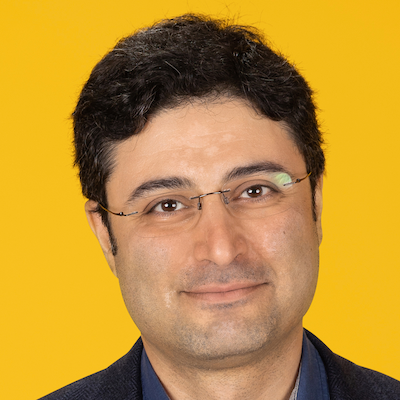
dr. Sanli Faez
About the Speaker
Sanli Faez is the programme manager of the Netherlands Recognition and Rewards programme and an associate professor of Physics at Utrecht University. He contributes to an accessible and sustainable academia by advocating for Open Science and building Open-source Hardware.
Institutional initiatives on fostering a positive research culture
Fostering a positive research culture - Enabling impact & engagement at EUR
This presentation will offer insights into the transition of Erasmus University Rotterdam (EUR) into an engaged university by describing the institution’s previous and current strategy. Additionally, it will elucidate the way the Recognition & Rewards and the Impact & Engagement programs contribute to this transition and will demonstrate the way the teams working on these programs contributed to enabling a more positive research culture. By presenting concrete examples of our approach and highlighting some of our open access R&R and impact tools, we aim to motivate others to build upon our efforts and to advance the worldwide culture change.

dr. Bianca Langhout
About the Speaker
Since 2020, Bianca Langhout is working at Erasmus University Rotterdam as a programme manager for two (strategic) action lines: Recognition & Rewards and Impact & Engagement. Through these two action lines she contributes to the transition of EUR towards an engaged university that recognises, appreciates and rewards diverse individual and team talents, skills and competences in the domains of research, education and engagement. Over the past few years, Bianca and her teams (!) used a tailormade, personal approach to connect with all the faculties and services. Together with the faculties and services her teams co-developed and co-created several tools that support the broader organisation in the transition to become an engaged university.
-
Impact toolbox: Impact Evaluation Toolbox | Erasmus University Rotterdam
-
R&R website: Recognition & Rewards | Erasmus University Rotterdam
Responsible Academic Assessment: From Principles to Practice
Universities rely on academic assessment for high‑stakes decisions on hiring, promotion, and recognition, making it a powerful yet underused lever for a positive research culture. Despite its importance, assessment remains under‑studied, policies are unevenly implemented, and committee members often lack preparation for the ethical, psychological, and organisational challenges involved.
We present a co‑funded initiative supported by Open Science NL, with Eindhoven University of Technology (TU/e) as the embedding university, to strengthen assessment in line with Recognition & Rewards. The project integrates three pillars: (1) a review of good academic practices, (2) evidence‑informed interventions and tools for assessment committees, and (3) fostering a vibrant internal-external community of practice. Our approach combines policy alignment, empirical inquiry, and design grounded in social psychology, ethics, and research integrity.
We will share research results, design logic, rollout at TU/e, and early lessons, and discuss opportunities and challenges for adaptation across institutions. By connecting policy to everyday committee practice and lived experience, the project aims to reduce strain on wellbeing and bias in assessment, improve procedural fairness, and increase transparency, advancing a healthier, more inclusive research culture.

dr. Andrea Kis
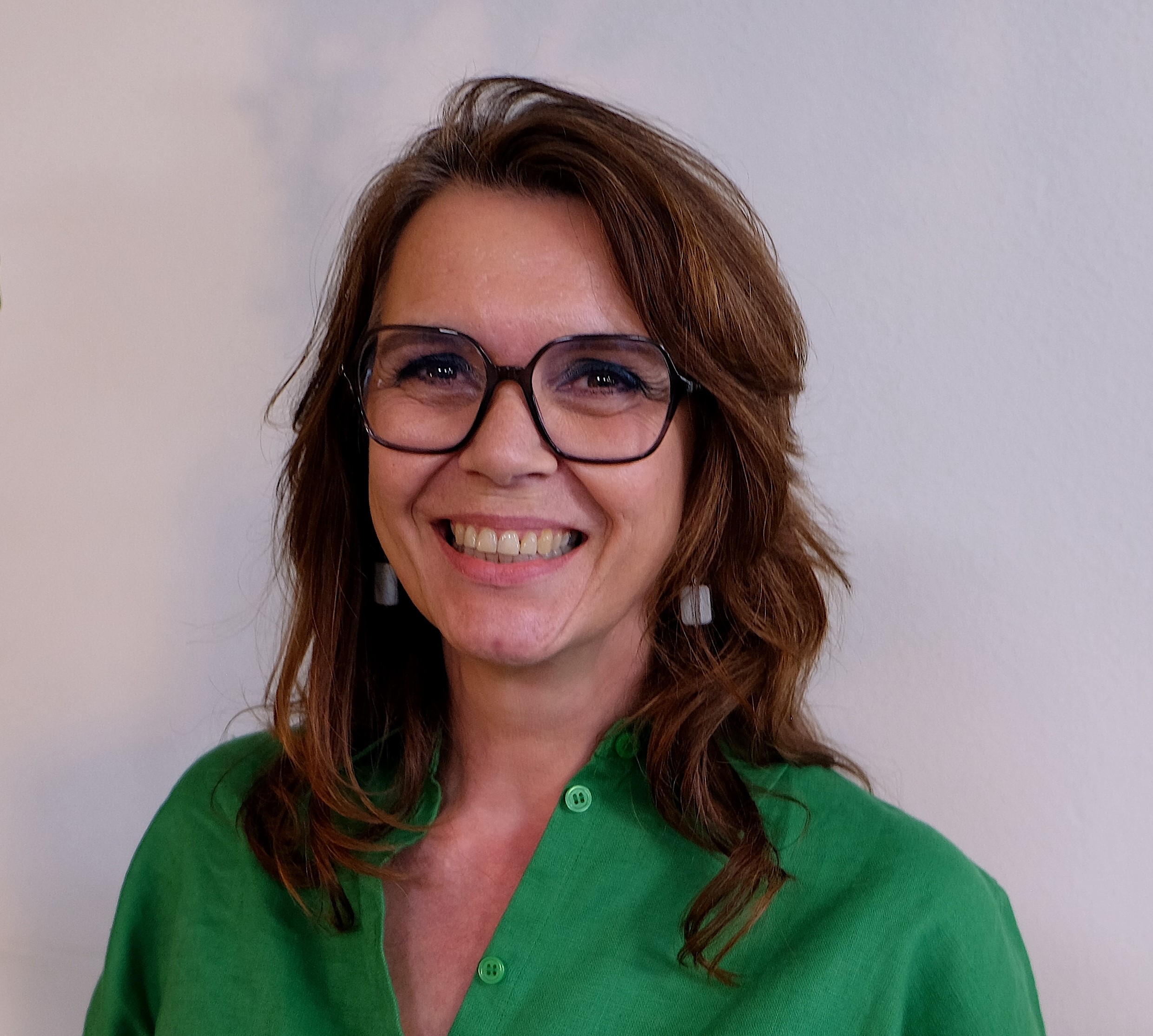
Julma Braat
About the Speakers
Dr Andrea Kis is a policy and research advisor at TU/e and Universities of the Netherlands (UNL). Her research centers the psychology of science with a focus on early‑career trajectories, career assessment, research values, perceived fairness, researcher wellbeing, and integrity. Building on her doctoral work on academic career sustainability and contributions to responsible academic assessment, she bridges scholarship and practice by translating behavioral insights into evidence‑informed policies and interventions. Her work aims to foster responsible, inclusive academic practices and support sustainable organizational change through context‑sensitive approaches to ethics, integrity, and wellbeing in higher education.
Julma Braat is a senior HR Policy Advisor at TU/e with over twenty years of experience in talent development, academic career policy, and organizational change. She is one of the driving forces behind TU/e’s Recognition & Rewards program, shaping policies that promote diverse academic profiles and more holistic approaches to assessment. She played a key role in developing innovative instruments such as the biographical sketch and development matrix, now used to support evidence‑based and person‑centered evaluation practices. Her work also includes designing and implementing the Irène Curie Fellowship program, which has significantly increased the recruitment of female academic staff. She frequently shares her expertise through guest lectures and participation in national HR and policy networks. In her workshop contributions, she combines strategic insight with practical experience from the daily realities of academic HR.
-
An overview of project outputs (including e.g., training slides, RPG material, and executive report)
Assessing the perceptions, experiences and needs of Amsterdam researchers for fostering a positive research culture: insights from an interview and survey study
Barbara Leitner and Miriam van Loon will share insights from two empirical studies on stimulating a positive research culture (RC). These studies were part of the Amsterdam CATALISI project, which aimed to stimulate Responsible Conduct of Research (RCR) in our institutions. The results from the first qualitative interview study provide an overview of researchers’ experiences with RC, present a definition of RC, and offer ideas to foster a positive RC in Academia.
For the second study, a survey on RC, we present how researchers at two institutions perceive and experience RCR, recognition, and rewards. Additionally, we discuss the identified needs to improve RC.

dr. Miriam van Loon

Barbara Leitner
About the Speakers
Miriam van Loon is an assistant professor, researcher, and teacher in research ethics, research integrity, and the responsible conduct of research. Both work at the department of Ethics, Law and Humanities at Amsterdam UMC.
Barbara Leitner is a PhD candidate researching factors influencing RCR, such as the impostor phenomenon and empowerment.